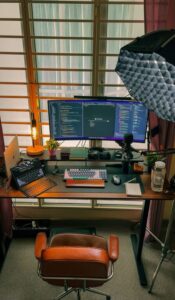
Tips for Creating a Cozy and Productive Home Office Space
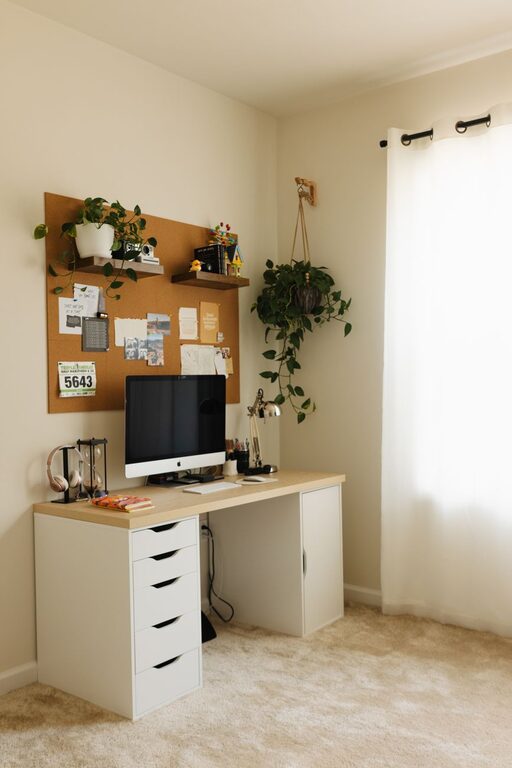
Creating a home office that balances comfort with productivity can greatly improve your work-from-home experience. Whether you have a dedicated room or a small corner, making your workspace inviting and efficient is key to staying motivated and focused. In this post, we’ll explore practical tips to help you design a cozy and productive home office space.
1. Choose the Right Location
Selecting the ideal spot for your home office sets the foundation for your work environment.
– Natural Light: Aim to set up near a window to take advantage of natural daylight, which can boost mood and energy.
– Quiet Area: Pick a low-traffic part of your home to minimize distractions.
– Space Availability: Ensure there’s enough room for your desk, chair, and any equipment you need without feeling cramped.
2. Invest in Comfortable, Supportive Furniture
Comfort is crucial, especially if you spend several hours working at your desk.
– Ergonomic Chair: Choose a chair that supports your back and encourages good posture.
– Adjustable Desk: If possible, consider a height-adjustable desk to alternate between sitting and standing.
– Desk Size: Ensure your desk has enough space for your computer, supplies, and writing area.
3. Organize with Purpose
An organized workspace can reduce stress and increase efficiency.
– Storage Solutions: Use shelves, drawers, or filing cabinets to keep documents and tools tidy.
– Cable Management: Use clips or cable organizers to avoid clutter from cords and chargers.
– Daily Essentials: Keep frequently used items within reach to streamline your workflow.
4. Personalize Your Space
Adding personal touches makes your office more inviting.
– Decor: Incorporate artwork, plants, or photos that inspire you.
– Colors: Choose colors that promote focus and calm, such as soft blues, greens, or neutrals.
– Lighting: Use warm desk lamps or fairy lights for a cozy ambiance alongside your main lighting.
5. Minimize Distractions
Creating a focused environment supports productivity.
– Noise Control: Use noise-cancelling headphones or play soft background music if needed.
– Set Boundaries: Communicate your working hours with family or housemates to reduce interruptions.
– Designate Work Zones: If sharing spaces, make clear which area is your work zone.
6. Incorporate Healthy Habits
Your workspace can encourage wellbeing during the workday.
– Greenery: Adding plants can reduce stress and improve air quality.
– Movement Reminders: Set timers to stand, stretch, or take short breaks.
– Hydration Station: Keep water nearby to stay hydrated.
7. Utilize Technology Wisely
Technology can enhance productivity when set up thoughtfully.
– Reliable Equipment: Invest in a good-quality computer, monitor, and peripherals.
– Ergonomic Accessories: Consider keyboard trays or monitor stands to enhance posture.
– Software Tools: Use productivity apps and calendars to organize tasks and deadlines.
8. Keep It Flexible
Your work needs may change, so flexibility matters.
– Modular Furniture: Choose pieces that can be rearranged or adapted as needed.
– Multi-Use Space: Consider furniture that doubles as storage or can be folded away during non-work hours.
– Regular Updates: Periodically reassess your workspace to ensure it still meets your needs.
—
Final Thoughts
Designing a home office that feels cozy yet productive is achievable with a few adjustments. Prioritizing comfort, organization, and personalization helps create a space that supports your work and wellbeing. Remember, your home office is your own unique environment—customize it to suit your style and workflow for the best results.