Tips for Creating a Cozy and Functional Home Workspace
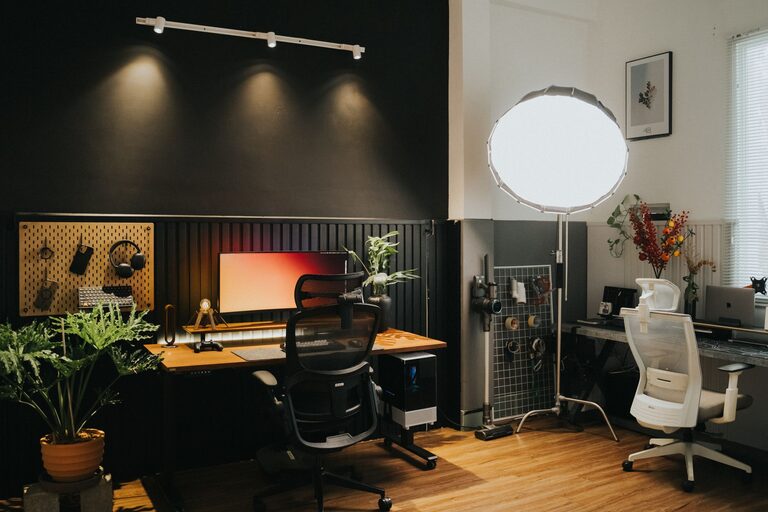
Creating a cozy and functional home workspace is essential in today’s world, where many people spend a significant amount of time working remotely. A well-designed workspace can improve focus, reduce stress, and make working from home more enjoyable. Whether you have a dedicated room or just a small corner, the following tips will help you craft a space tailored to your needs.
Find the Right Location
Choosing the perfect spot for your workspace sets the foundation for comfort and efficiency.
– Quiet and Private: Select a space with minimal distractions and noise to help maintain concentration.
– Natural Light: Position your desk near a window if possible. Natural light boosts mood and reduces eye strain.
– Ventilation: Good air circulation keeps you alert and comfortable throughout the day.
If space is limited, consider multipurpose areas or utilize vertical space for your setup.
Invest in Comfortable and Supportive Furniture
Your chair and desk are the cornerstones of your workspace comfort.
– Ergonomic Chair: Look for adjustable chairs with good lumbar support to prevent back pain.
– Appropriate Desk Height: Your desk should allow your forearms to rest parallel to the floor when typing.
– Standing Options: Consider a sit-stand desk to alternate positions and promote movement.
Test your setup to ensure your posture feels natural and strain-free.
Organize with Purpose
Clutter can interfere with productivity and cause stress. A well-organized workspace enhances focus.
– Storage Solutions: Use shelves, drawers, and organizers to keep supplies neatly stored but accessible.
– Cable Management: Use clips or sleeves to manage cords and avoid tangles.
– Minimalist Approach: Keep only essential items on your desk to maintain a clean look.
Regularly declutter your area to maintain an inviting environment.
Personalize Your Space
Making your workspace visually pleasing can boost motivation and reduce stress.
– Colors and Decor: Choose calming or inspiring colors for walls or accessories.
– Plants: Adding greenery brings life to your workspace and can improve air quality.
– Artwork: Display prints, photos, or items that inspire you but avoid overcrowding.
Personal touches make the space feel welcoming and uniquely yours.
Optimize Lighting
Good lighting reduces eye strain and improves mood.
– Task Lighting: Use adjustable desk lamps to focus light on your work area.
– Avoid Glare: Position screens to minimize reflections from windows or lights.
– Layered Lighting: Combine overhead, natural, and task lighting to create a balanced environment.
Pay attention to lighting to enhance comfort during different times of the day.
Set Up Technology Efficiently
Your tools should be easy to use and reduce frustration.
– Reliable Internet: Ensure you have a strong internet connection for uninterrupted work.
– Essential Devices: Select monitors, keyboards, and mice that support your workflow.
– Charging Stations: Keep chargers and batteries organized and accessible.
Test your equipment regularly to avoid technical issues during work hours.
Establish Boundaries and Routines
Creating clear boundaries between work and personal life is key in home environments.
– Defined Workspace: Keep work materials confined to your workspace to mentally separate work time.
– Set Work Hours: Establish a schedule and stick to it to maintain balance.
– Break Area: Have a nearby spot where you can step away and relax during breaks.
Routines help maintain productivity and support well-being.
Incorporate Comfort Elements
A cozy workspace feels inviting and encourages longer, focused work sessions.
– Textiles: Add a soft rug, cushions, or blankets for warmth and texture.
– Temperature Control: Use fans or heaters as needed to maintain a comfortable temperature.
– Sound Management: Consider noise-canceling headphones or white noise machines to mask distractions.
Comfort encourages you to spend quality time in your workspace without discomfort.
Final Thoughts
Designing a cozy and functional home workspace doesn’t have to be difficult or expensive. Focus on the essentials: location, comfort, organization, and personalization. By creating an environment that suits your individual needs, you can boost your productivity and enjoy working from home every day.
By applying these tips, your workspace can transform into a place where creativity and efficiency naturally flourish. Remember, your workspace should evolve with you, so feel free to adjust elements as your work style changes.